Quick Answer: Restaurant call analytics metrics include call abandonment, hold time, answer rate, missed calls, peak call times, repeat callers, and on-hold message conversions. Tracking these metrics reveals where customers experience delays or disconnects. Restaurants can adjust staffing, call routing, and on-hold messaging to improve service and capture more ordering opportunities.
For pizzerias and quick-service restaurant (QSR) owners, every missed phone call is a straight hit to your bottom line. Restaurant phone lines serve as a critical lifeline, as they can reveal far more than the number of orders your team receives. That is where restaurant call analytics metrics come in, including hold times, abandonment, answer rates, repeat callers, and on-hold message conversions.
It shows where callers wait, when calls peak, how often customers hang up, and whether your team answers promptly.
Those details matter because every call represents a customer trying to reach your restaurant. Long hold times, missed calls, and repeated unanswered attempts can interrupt the customer journey before an order ever reaches your POS.
Tracking the right metrics gives owners a clearer view of phone performance and customer experience. Here are 10 restaurant call analytics metrics you should track as a restaurant owner to optimize performance and boost profits.
What Is Restaurant Call Analytics and Why Does It Matter?
Restaurant call analytics examines phone activity to uncover patterns that affect ordering, staffing, and customer service. It can show call duration, busy periods, caller behavior, and phone-order activity.
For owners and managers, restaurant call tracking turns everyday calls into useful operational information.
Why Does Restaurant Call Monitoring Matter?
Call analytics in restaurants matter because they turn phone orders, customer questions, and missed calls into useful business insights. These insights can improve service, capture more sales opportunities, and reduce everyday operational friction.
- Customer preferences: Phone orders can highlight popular dishes, recurring questions, and common customer concerns.
- Staffing patterns: Call volumes reveal busy periods when restaurants may need stronger phone coverage.
- Service issues: Call reviews can expose recurring problems, helping managers improve training and phone handling.
- Missed opportunities: Call data can reveal where callers wait, abandon calls, or struggle to connect.
How Restaurant Call Analytics Improves the Customer Journey?
In pizzerias and QSRs, restaurant call data improves the customer journey by turning phone interactions into actionable insights. These insights reduce friction, speed up reservations or orders, and personalize guest service.
As an owner, use those patterns to strengthen each stage of the caller experience.
1. Reduces Wait Times and Abandonment: Tracking hold times and abandoned calls shows when phone demand overwhelms staff. You can adjust coverage during busy periods and enable customers to reach someone faster.
2. Streamlines Intent-Based Routing: Call patterns can reveal why customers call and where they need assistance. Better routing reduces unnecessary transfers, thereby keeping reservations, takeout, and event inquiries moving efficiently.
3. Personalizes Guest Interactions: Connecting call data with customer records helps staff recognize returning callers and understand previous interactions. When guests get familiar service, it can make the restaurant customer experience more personal and useful.
4. Identifies Training Opportunities: Call reviews can reveal recurring questions, communication problems, or handling issues. As a manager, you can use those patterns to coach employees and strengthen everyday phone interactions.
5. Captures Lost Revenue Opportunities: Data on missed calls can represent customers seeking orders, reservations, or catering information. By tracking unanswered calls, it’s possible to identify follow-up opportunities before those customers choose another restaurant.
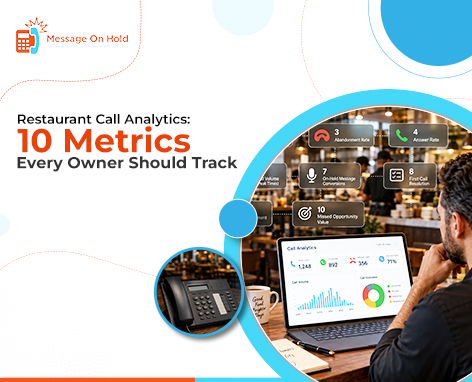
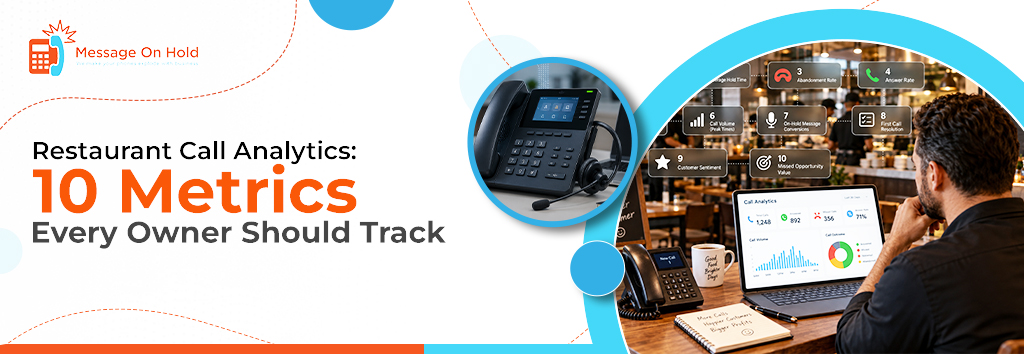
10 Restaurant Call Analytics Metrics Every Owner Should Track
Tracking the right data transforms your phone lines into a major revenue driver. The right restaurant call analytics metrics can reveal customer intent, staff efficiency, and missed opportunities.
Master these 10 essential data points to optimize operations and maximize your profits:
1. Call Abandonment Rate
Call abandonment rate tells you when customers hang up before anyone answers. If you see it climb, it often means long waits during busy times.
Pair this with hold time insights for a clearer story. AI phone systems make it easy to spot where your team or call routing could use a tweak.
2. Average Hold Time
Average hold time reveals how long your guests wait once they connect. If people are left listening to music too long, they may get frustrated or leave.
Check your restaurant’s average hold time during different shifts for patterns. Smart on-hold messages can keep callers engaged until a team member is free.
3. Calls Placed on Hold
Calls placed on hold highlight when your staff needs more time to help each guest. If this number jumps, it might mean you’re short-staffed, or phones are extra busy.
Restaurant call metrics like these help owners see when their team feels the pressure. It also shines a light on moments when smarter routing or better communication can lift service quality.
4. Hold-to-Abandonment Rate
Hold-to-abandonment rate tracks how many callers hang up while waiting on hold. If this climbs, you risk losing orders before they even start.
Look at hold times and abandonment together to spot issues. Restaurant phone metrics will help you see which shifts keep customers happy and which need extra attention.
5. Average Speed to Answer
Average speed to answer shows just how quickly your team picks up the phone. Fast answers can turn a busy ordering rush into a smooth experience.
By checking restaurant call performance for each shift, you’ll spot coverage gaps. Use these insights to schedule staff or manage call overflow more efficiently.
6. Missed Call Rate
Missed call rate tells you when calls slip through the cracks and go unanswered. Every missed call could mean a lost reservation, delivery, or catering order.
Keeping an eye on your restaurant’s missed call rate helps you find patterns fast. That way, you can adjust staffing or callbacks so no opportunity gets away.
7. Call Answer Rate
Call answer rate shows how many calls your team actually picks up. When you compare this to missed and abandoned calls, you get the full picture.
Restaurant call reporting helps you see if phone coverage meets guest demand. Pair this with hold times to pinpoint where callers might get stuck.
8. Peak Call Times
Peak call times reveal when your phones ring off the hook, which isn’t always during the dinner rush. Restaurant call monitoring lets you spot these busy hours and schedule coverage when it counts.
With the right data, you can tune routing and on-hold messaging to fit your real demand.
9. Repeat Caller Rate
Repeat caller rate shows how many customers call your restaurant more than once. Sometimes it means you have loyal fans, and other times it shows people are struggling to get answers.
Dig into the reasons behind repeat calls for real insight. You’ll find ways to make ordering easier and boost satisfaction.
10. On-Hold Message Conversion Rate
On-hold message conversion rate tells you what happens after a caller hears your promotion while waiting. Watch how many take action in response to offers or prompts.
These results show which messages actually get guests to order or ask for more. With real caller response data, you can fine-tune your timing and wording for the best results.
How to Read Restaurant Call Analytics Without Misreading the Numbers?
The call metrics may look straightforward, but individual numbers rarely tell the whole story. A high hold time, for example, does not automatically mean poor service. You need to compare related metrics, consider busy periods, and understand what callers experience before deciding what needs attention:
- Look at the metrics together: A single metric can hide the reason behind a problem. Compare hold times, abandonment, missed calls, and answer rates to identify patterns.
- Compare busy and quiet periods: Peak-hour results often differ significantly from slower periods. Review data by day and time to see when phone demand puts the most pressure on staff.
- Look for recurring patterns: One unusually busy shift may reflect an isolated event. Consistent results across several days provide stronger evidence of an operational issue.
- Connect numbers with caller experience: Numbers become more useful when you understand what callers experience. Long waits, repeated holds, and missed calls can point toward specific changes in phone handling.
How to Use Call Analytics to Improve Your Restaurant’s Phone Experience?
Using call analytics helps restaurants spot busy periods, reduce missed opportunities, and understand where callers face unnecessary friction. The numbers become useful when owners connect them with staffing, hold times, routing, and everyday customer interactions.
- Track Peak Hours and Call Volume: Review call volume by day and time to see when your phones get busiest. The phone metrics can help managers schedule stronger phone coverage during rush periods, reducing unanswered calls and keeping customers from waiting longer than necessary.
- Monitor Missed and Abandoned Calls: Keep an eye on callers who disconnect or never reach your team. Restaurant call monitoring can highlight recurring gaps, giving owners a reason to review staffing, call routing, overflow options, or other ways to keep customers connected.
- Analyze Common Call Topics: Look for recurring questions about menus, opening hours, locations, orders, reservations, or delivery. Moving frequently requested information online or through automated responses can reduce unnecessary calls and leave staff more time for customers already inside the restaurant.
- Review Customer Sentiment and Conversation Patterns: Call recordings and transcripts can reveal recurring complaints, confusing interactions, or questions that staff struggle to answer. Reviewing these patterns gives managers practical material for training and can improve how employees handle callers during busy service periods.
Turn Your Restaurant Phone Insights Into Better Service With Message On Hold
Call data becomes valuable when it leads to practical changes in how your restaurant handles callers. Message On Hold helps turn those insights into practical improvements through restaurant-focused VoIP, call routing, smart call queues, and on-hold messaging. Our systems support high call volumes, rush-hour spikes, multi-line traffic, and busy-call overflow.
Promotional offers, ordering information, and useful updates can also keep your callers engaged instead of leaving them with silence. Our solutions connect these capabilities within a broader restaurant phone system designed around everyday operational demands.
Turn waiting time into a better customer touchpoint. Get in touch with our team to discuss your restaurant’s phone experience.
Frequently Asked Questions
- What is the most important restaurant call metric to track?
There is no single metric that tells the complete story. Start with missed calls, abandonment, hold times, and answer rates to understand where callers encounter problems.
- How can restaurants reduce call abandonment?
Start by identifying when abandonment happens and how long callers wait. Adjust staffing, call routing, overflow handling, or on-hold messaging around periods with consistently higher abandonment.
- What is a good average hold time for a restaurant?
There is no universal target because call volume and restaurant operations differ. Compare your average hold time across shifts, days, and peak periods to identify recurring delays.
- How can on-hold messages improve the caller experience?
Useful on-hold messages give customers information while they wait. Restaurants can promote specials, explain ordering options, highlight services, or share updates instead of leaving callers with silence.
- How can restaurant owners use call analytics to improve service?
Review call patterns regularly and connect them with staffing, hold times, missed calls, and customer feedback. Small operational changes can address recurring phone problems and improve the overall experience.
- How can restaurants track calls during peak ordering hours?
Eateries can review call volume, answer rates, hold times, and abandonment patterns by hour. Compare peak periods helps to adjust staffing, routing, and on-hold messaging accordingly.